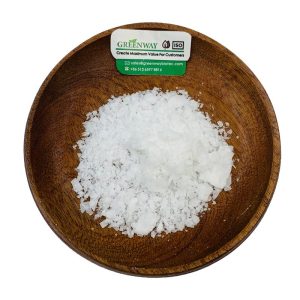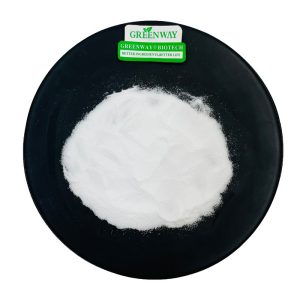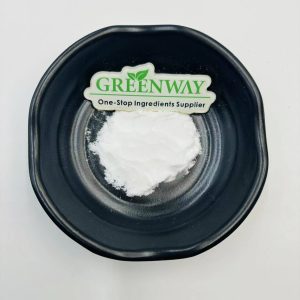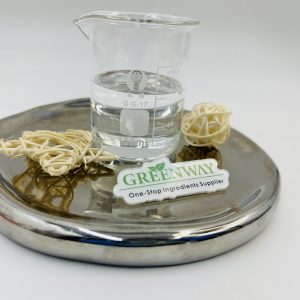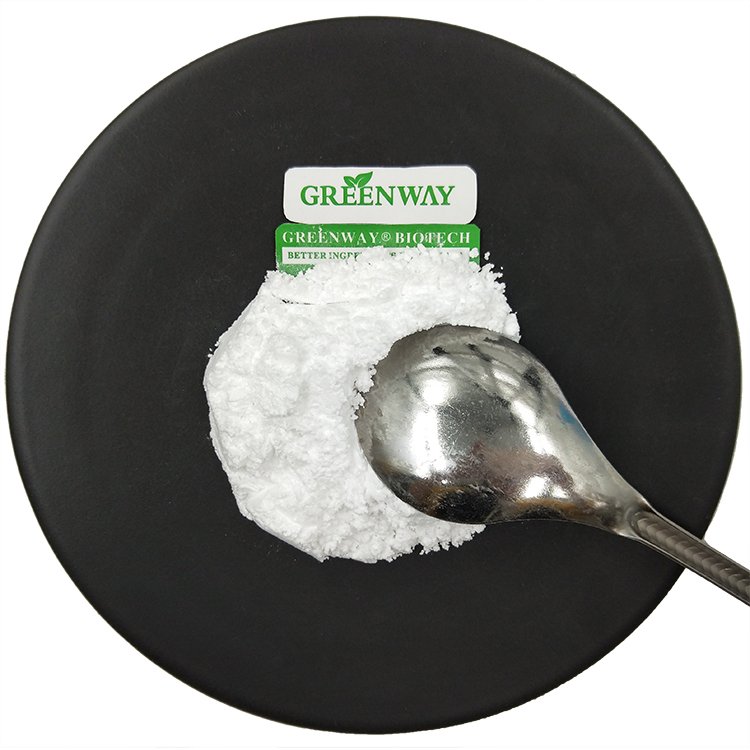
Potassium azeloyl diglycinate is a white powder, mild and easy to dissolve, with good stability and compatibility.Potassium azeloyl diglycinate can be antibacterial and anti-inflammatory, inhibit Propionibacterium acnes, reduce acne and blackheads; it can also inhibit tyrosinase activity, whiten and lighten spots, and brighten skin tone. It is often added to anti-acne essences, whitening masks, sensitive skin creams and other skin care products to improve a variety of skin problems.Potassium azeloyl diglycinate Chinese manufacturer, Baisifu, focuses on providing high-quality product services, including COA, MSDS, TDS report support and free samples. The company has passed ISO 9001 & ISO 14001 certification, and its products have not been tested on animals.
Cas No.:/
Appearance:White powder
Similar Name:K-ADG
Solubility:Soluble in water
| CAS Number | 2 |
| Appearance | White powder |
Benefits:
Regarding the benefits of potassium azeloyl diglycinate.Potassium azeloyl diglycinate for skin,it is antibacterial and anti-inflammatory, can strongly inhibit Propionibacterium acnes, help people with acne-prone skin get rid of acne and blackheads, and make the skin smooth again. At the same time, potassium azeloyl diglycinate can also inhibit tyrosinase activity, reduce melanin production, achieve the effect of whitening and brightening skin tone, and make the skin white and translucent. Moreover, it is mild in nature, has little irritation to the skin, and is suitable for all skin types.
Application:
Potassium azeloyl diglycinate is generally used in acne essence, whitening cream, lotion for sensitive skin, whitening mask, acne mask, facial cleanser
Package:
Baisifu currently has potassium azeloyl diglycinate for sale at wholesale prices.This product is packaged as a powder and has two packaging specifications, 1kg/bag and 25kg/box.
General Information:
| Cas No. | / |
| MF | C13H20K2N2O6 |
| MW | 378.5043 |
| EINECS | / |
| Appearance | White powder |
| Solubility | Soluble in water |
| Store | Store in cool dry place away from light, room temperature. |
| Shelf Life | 2 year |
Potassium Azeloyl Diglycinate: A Formulator’s Guide

What Makes PAD Different at the Molecular Level
Most brightening agents are topical. Potassium Azeloyl Diglycinate works on a fundamentally different level and that difference informs every formulation decision you make.
How PAD Is Synthesized and Why It Matters
PAD is synthesized by conjugating azelaic acid with two glycine amino acid molecules and then stabilizing the compound with a potassium salt. This conjugation transforms an oil soluble acid into a fully water soluble, anionic molecule, directly solving the oldest formulation limitation of azelaic acid.
What Happens After PAD Penetrates the Skin
Upon absorption, PAD is hydrolyzed and active azelaic acid is directly delivered to the target site. Your formula delivers a precise, controlled dose where it counts, as close as you can get to the melanin production pathway. This molecular efficiency is what differentiates PAD from traditional brightening actives.
PAD vs. Azelaic Acid — The Manufacturer’s Real Comparison

If you’ve formulated with azelaic acid, you know the give and take. PAD fixes them all. Without giving up the effectiveness your product claims are built on.
Formulation Problems PAD Eliminates
Azelaic acid is not very water soluble and pushes you into high load emulsion systems, often requiring solubilizers that complicate your formula. PAD is fully water-soluble allowing clean incorporation in aqueous phase without carrier compromise. It’s also an anionic ingredient with a stable pH profile, so you won’t get the grittiness and precipitation you typically see with azelaic acid at higher concentrations.
Equal or Better Efficacy at Lower Concentration
PAD shows comparable tyrosinase inhibitor activity at concentrations of 3% and 5%, while azelaic acid usually needs 15% to 20% to get a noticeable clinical effect. And that difference in concentration is a straight reduction to your raw material cost per unit, without any sacrifice of the elegance and consumer-friendliness of your formula. PAD gives you the same active mechanism, but a cleaner build and a better cost structure. That’s the real formulator’s advantage.
How Much PAD to Use — Concentrations by Product Format

Getting your PAD concentration right is the difference between a formula that works and one that just claims to.
Serums, Toners & Lightweight Essences
For high absorption, leave-on formulas for hyperpigmentation or acne-prone skin, formulate PAD between 3% and 5%. This spectrum brings about active tyrosinase inhibition without weighing down a lightweight vehicle. It also allows your formula to be compatible with other water-phase actives like niacinamide.
Creams, Lotions & Oil-in-Water Emulsions
In O/W emulsion systems, PAD concentration of 2% to 4% can be incorporated cleanly into the water phase without affecting the emulsion stability. This range is ideal for daily brightening moisturizers and barrier-focused formulas for sensitive skin.
Gel Systems, Cleansers & BB Creams
For rinse off formats such as cleansers or gel based systems, the functional window is 1-3 percent. When used at 2-3% in BB cream formulations, PAD delivers brightening and sebum-control benefits without impacting rheology or pigment dispersion.
All our PAD batches are certified to all major quality and safety standards, giving your formulations an audit-ready foundation from day one.
Formulation Best Practices — How to Get PAD Right

PAD is an ingredient that forgives you, as long as you respect its chemistry. These are the three parameters that determine if your formula works or dies.
Always Add to the Water Phase
PAD is a water soluble anionic ingredient. It should be added to the water phase. If you try to add oil phase or late stage you will end up incomplete dissolved and uneven active distribution in your batch. Dissolve PAD in purified water at room temperature prior to mixing with other water-phase ingredients.
pH Range, Stability Window & Temperature Limits
PAD is optimal in the pH range of 4.5-7.0. Formulation outside this window affects both stability and bioavailability. Keep processing temperatures below 40°C, as prolonged heat exposure can cause hydrolysis before the product even reaches the consumer.
Incompatible Ingredients to Avoid
At high concentration, cationic polymers can disrupt the anionic structure of PAD. This can lead to precipitation or loss of activity. Do not mix PAD with strong oxidizers or very acidic forms of vitamin C in the same phase without first testing for compatibility.
Our every PAD is validated to 8 major international standards of quality and safety, so your formulation starts on audit-ready, validated ground.
PAD’s Overlooked Application : Hair and Scalp

Most formulators are satisfied with skin care. The brands that are gaining traction in scalp wellness are already using PAD as a core active.
Sebum Regulation in Shampoos & Scalp Serums
PAD acts as a 5-alpha reductase inhibitor, so is directly relevant to sebum-driven scalp conditions. Excess sebum production is a driver of microbial imbalance. It can accelerate follicle occlusion and compromises scalp health right from the root. Adding PAD at 2% to 3% to scalp serums or shampoo formulations provides measurable sebum control without the risk of irritation that comes with stronger actives. Ignoring this application means omitting a clinically supported claim from your product brief.
Supporting Androgenetic Alopecia Formulations
One of the established routes for the topical treatment of androgenetic alopecia is the inhibition of 5-alpha reductase, since it is partly mediated by DHT activity in the follicle. PAD provides your hair loss serum or treatment range with a science-backed mechanism that resonates with dermatologists and ingredient-savvy consumers alike.
Ingredient Combinations That Multiply PAD’s Impact

PAD performs well alone. It paves the way for a multi-mechanism formula with the right actives that lends itself to a premium position.
Double Anti-Inflammatory Action (PAD + Niacinamide)
Both PAD and niacinamide inhibit pro-inflammatory cytokines and interfere with melanin transfer through complementary pathways. Together, they provide more anti-inflammatory coverage than each ingredient can on its own. This combination is especially useful in formulations for acne-prone skin or for post-inflammatory hyperpigmentation where you need to treat inflammation and pigmentation at the same time.
Brightening Without Dryness (PAD + Hyaluronic Acid)
The hyaluronic acid offsets the momentary dryness caused by the keratolytic activity of PAD, so the formula is skin friendly for all skin types. This lets you to make both brightening and hydration claims without additional formula complexity or cost.
PAD + Allantoin for Calming, Sensitive-Skin Claims
PAD is anti-inflammatory. Allantoin is cell-proliferating and soothing. This is a direct complement to the mechanism of PAD. This combination supports a calming claim with two well-documented actives working in parallel for sensitive skin or rosacea formulations.
Safety Data Your Regulatory Team Will Need

Your safety data for your actives is the backbone of your regulatory dossier. That is precisely what PAD places in that file.
What the Safety Tests Actually Confirm
In standard dermatological testing PAD has shown to be non-irritant, non-phototoxic and hypoallergenic. Its LD50 safety profile is well within accepted limits for both leave-on and rinse-off cosmetic applications. These are not close calls. These are clean results that stand up to retailer and regulatory scrutiny without qualification.
Global Regulatory Status
PAD is EINECS registered and can be used within the EU cosmetic ingredient guidelines. Its molecular formula MF C13H20K2N2O6 is fully documented and supports simple COA, MSDS and TDS submissions for the major international markets including the EU, US and Asia Pacific.
We supply international quality and safety standards certified PAD so your regulatory team gets complete, submission-ready documentation from day one.
Why Now Is the Right Time to Add PAD to Your Line

The market window for differentiated brightening actives is wide open. The brands that move early are the ones that are building category authority.
The Hyperpigmentation Market Is Still Growing Fast
The hyperpigmentation treatment category is still one of the fastest growing categories in the prestige skincare market worldwide. Products with clinically supported and well-tolerated actives gain shelf space that legacy hydroquinone and kojic acid products are losing. PAD puts your line squarely in that transition.
Consumers Want Efficacy Without Irritation
The shift to barrier-friendly brightening is not just a trend, it is a permanent consumer reset. Buyers are actively rejecting high-irritant actives. PAD gives them the brightening they want with sensitive skin compatibility that drives repeat purchase and retailer trust.
Scalp Wellness Is an Emerging Revenue Category
Scalp health is becoming mainstream at a faster clip than most product roadmaps have predicted. Clinically relevant active PAD has as a sebum regulator and 5-alpha reductase inhibitor strengthens your hair care range, claims that competitors without it simply cannot match on.
Why Purchase a Bulk Order from Baisifu

Baisifu supplies Potassium Azeloyl Diglycinate in bulk to cosmetic manufacturers around the world. We can provide full documentation and technical support for your production needs.
Each batch is produced under strict quality and environmental management systems, with an auditable record for your QC team. Each shipment comes with a COA, MSDS and TDS.
We can supply as little as 1kg for your R&D team to experiment with production quality material before you commit to formulas. Order a free sample and see the quality for yourself. Bulk orders ship within 1-3 business days at direct manufacturer prices. Send an inquiry today.
FAQs
Is Potassium Azeloyl Diglycinate the same as azelaic acid?
No, PAD is an azelaic acid derivative that is synthesized by conjugating azelaic acid with two glycine amino acid molecules. It has the same active mechanism but with better water solubility and skin tolerance.
Can PAD be used in both leave-on and rinse-off formulations?
PAD works fine in either format as it has confirmed non-irritant profile and can be used in serums, toners, cleansers and rinse-off treatments.
What is the shelf life of Potassium Azeloyl Diglycinate raw material?
PAD raw material is stable for up to 24 months if properly stored. Store in a cool, dry place away from heat and oxidizing agents to retain full activity.
Can Potassium Azeloyl Diglycinate be combined with Vitamin C in the same formula?
Yes, this is possible when done with care. PAD should not be used together with strong acidic vitamin C derivatives in the same phase without checking for compatibility. Low pH may affect the anionic stability of PAD.
How does Potassium Azeloyl Diglycinate support rosacea formulations?
PAD blocks microbial triggers like Staphylococcus epidermidis and reduces anti-inflammatory cytokines, tackling two of the main causes of rosacea flare-ups without irritating compromised skin.
Categories:
Cosmetic IngredientsQuick Inquiry
Interested in this product? Send us a message for pricing and samples.
Contact Info
Email:
danny@baisfu.com
kenny@baisfu.com
Phone:
+86-29-81110978
Mobile:
+86-13072980070 (Danny)
+86-13519147002 (Kenny)