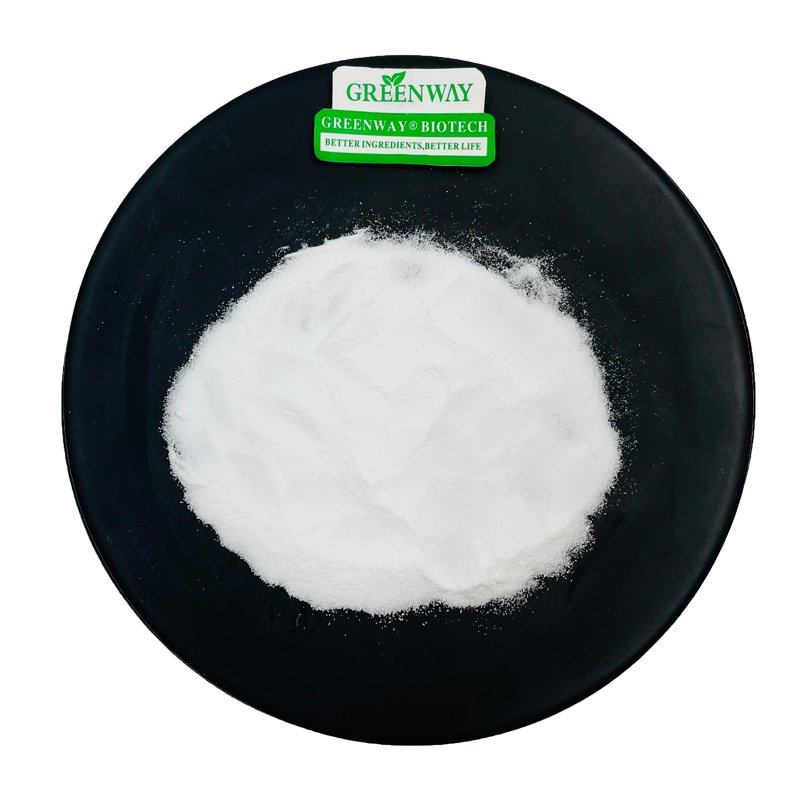
Description:
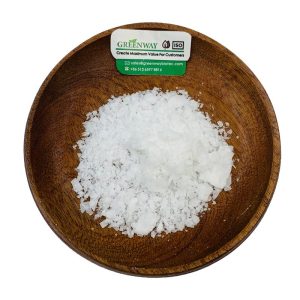
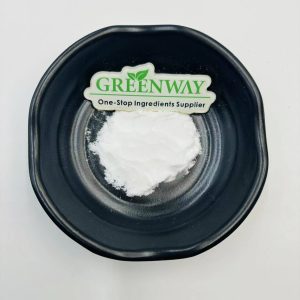
Heparin sodium is a white powder that is easily soluble in water, dimethyl sulfoxide and ethanol. Source is heparin sodium porcine.Heparin sodium powder has the effects of moisturizing, promoting microcirculation, accelerating metabolism, and anti-inflammatory and soothing. It is used in moisturizing products, essences and sensitive muscle repair products. Heparin sodium China supplier, Baisifu, strictly adheres to quality standards and has passed ISO 9001 & ISO 14001 certification. The company insists on no animal testing and can provide COA, MSDS, TDS reports and free samples.
Cas No.:9041-08-1
Appearance:White or off-white powder
Similar Name:HEPARINSODIUM
Solubility:Soluble in water, dimethyl sulfoxide and ethanol
Solubility:Water soluble
| CAS Number | 2 |
| Appearance | White or off-white powder |
Benefits:
Heparin sodium has a significant action. It can form a protective film on the skin surface, effectively lock in moisture and moisturize the skin, so that the skin is not afraid of dry environments.Heparin sodium salt can also accelerate skin microcirculation, promote metabolism, and make the skin firm and shiny. For sensitive skin, sodium heparin can provide anti-inflammatory and soothing effects, reduce discomfort, and enhance the skin’s self-healing ability.
Application:
Heparin sodium is used in moisturizing lotion, face cream and skin care products specially for sensitive skin.
Package:
Baisifu currently has Heparin Sodium Powder for sale at wholesale prices. The packaging of this product is 1g/tube; 10g/tube.
General Information:
| Cas No. | 9041-08-1 |
| MF | (C12H16NS2Na3)20 |
| MW | The molecular weight is between 3000 and 30000, and the average molecular weight is about 15000 |
| EINECS | 232-681-7 |
| Appearance | White or off-white powder |
| Solubility | Soluble in water, dimethyl sulfoxide and ethanol |
| Store | Store in cool dry place away from light, room temperature. |
| Shelf Life | 2 year |
Heparin Sodium: The Ingredient Your Formulas Need

What Is Heparin Sodium?
Heparin Sodium is a sulfated glycosaminoglycan (GAG), which is the same type of molecule that holds moisture and structural signals in the extracellular matrix of your skin. Formulators sourcing multi-functional actives consistently return to it. You can easily fix the skin barrier, inflammation, and increasing growth factors issues with heparin sodium.
-
Where Does It Come From?
Almost all Pharmaceutical heparin sodium comes from the extraction of porcine (pig) intestinal or rectal mucosa due to its relatively high glycosaminoglycan content compared to other parts of the body. You can use bovine lung tissue for the extraction of heparin, but porcine sources remain the primary worldwide source for high-purity pharmaceutical heparin.
-
How Is It Processed for Cosmetic Use?
The raw mucosa undergoes enzymatic digestion, precipitation, and ion-exchange purification prior to cosmetic grade. The sodium salt form enhances water solubility and processing stability. The International Unit (IU) potency is standardized, not by weight. Your quality team should request IU-based CoA data, not just percentage purity.
Technical Specifications

The table below covers the key physical and chemical data your R&D and procurement teams need before submitting a sample request. All values reflect Heparin Sodium at cosmetic and pharmaceutical grade.
| Property | Details |
| CAS Number | 9041-08-1 |
| Molecular Weight | ~15,000 Da (average; varies by source and processing) |
| INCI Name | Heparin Sodium |
| Appearance | White to off-white amorphous powder |
| pH Range (1% aq. solution) | 5.5 – 8.0 |
| Solubility | Freely soluble in water; insoluble in most organic solvents |
| Potency | ≥150 IU/mg (USP/BP/EP grade) |
| Purity | ≥98% (cosmetic/pharmaceutical grade) |
| Storage Conditions | Store at 2°C – 8°C in a sealed container; protect from moisture and light |
| Shelf Life | 24 months from the manufacture date under recommended conditions |
| Source | Porcine intestinal mucosa (pharmaceutical standard) or bovine lung |
| Grade Options | USP, BP, EP, Cosmetic Grade |
Key Features of Heparin Sodium

· High Bioavailability and Skin Penetration
You should formulate in the appropriate MW ranges so that heparin sodium can penetrate the stratum corneum topically. Low MW (< 8000 Da) will penetrate the transdermal barrier better than high MW. You should clarify your formulation strategy, which should be based on the molecular weight fraction your supplier is looking for, rather than the average.
· Consistent Potency Across Batches
IU-based potency standardization ensures consistency of active load from one production run to the next. This is important if you are working with a formula that is being scaled up from an R&D bench to 500 kg batches. If you claim efficacy for an ingredient listed by weight percentage, you have to incorporate some variability into that claim.
· Compatibility with Common Cosmetic Bases
The sodium salt form has high hygroscopicity, being soluble in the aqueous phase at room temperature. You can use this in combination with most other actives such as niacinamide, panthenol, allantoin, film forming polymers. You should consider electrolyte sensitivity at high concentrations, with the practical limit observed in emulsion testing of 3% NaCl.
· Stable Across a Wide pH Range
The pH 5.5-8.0 range provides you with versatility in serums, creams, scalp treatments, and rinse-off conditioners. The stability significantly drops when the pH is outside this range, particularly when below pH 4.5, when the hydrolysis of sulfate esters becomes more pronounced. If you are within the validated range, your shelf-life data will be valid.
Benefits of Heparin Sodium for Your Formulas

· Deep Moisturization That Lasts
Heparin Sodium functions as a true humectant, which absorbs moisture from the environment and traps it in the upper layers of the skin. It has a high charge density, which captures water molecules at a molecular level. Published research on its moisturization effect shows superiority over single-mechanism humectants in 12-hour retention studies available via PubMed.
· Supports Skin Barrier Repair
When the stratum corneum is compromised — as it is in eczema, post-procedure skin, or chronic dryness — GAG-depleted tissue loses its structural support. Heparin Sodium restores the glycosaminoglycan layer, which helps to bind back in the ceramide and prevents transepidermal water loss (TEWL). Your sensitive skin and derma-cosmetic lines have a clinically grounded repair claim here.
· Anti-Inflammatory Action in Sensitive Formulas
Sulfated GAGs regulate the activity of inflammatory cytokines (inhibit selectin-mediated leukocyte adhesion). Topically, this means that you can measurably decrease erythema in reactive skin types. A formula with a “calming” or “redness-reducing” statement claims to benefit from the biological mechanism behind it, not just the label copy.
· Anti-Aging and Collagen Support
Heparin Sodium is a molecule that also binds to fibroblast growth factor (FGF-1 and FGF-2), preventing them from being damaged by enzymes on the skin surface. This helps to activate the growth factor signaling cascade that stimulates collagen production. Your anti-aging line gets a mechanical collagen support story — one based on peer-reviewed biochemistry. Cross-reference INCI Decoder for additional mechanism documentation.
· Scalp and Hair Follicle Nourishment
Vascular endothelial growth factor (VEGF) binding is another confirmed activity of sulfated GAGs at physiological concentrations. You can improve the circulation of the microcirculation of the hair on the scalp. You can use it as an additional active ingredient in a multi-pathway approach to scalp serums and/or anti-hair-loss formulations.
Uses of Heparin Sodium in Your Product Line

· Skincare — Serums, Creams, and Lotions
Heparin Sodium is water-soluble and compatible with most serum bases; it can be easily incorporated into the aqueous phase of the serum at 0.1%–1.0% active concentration. You can use it as a barrier repair serum and sensitive skin moisturizer. At 0.5%, you can carry a documented “skin barrier support” claim backed by the mechanism, not marketing language.
· Cosmetics — Primers and Treatment Foundations
The benefits of treatment primers containing Heparin Sodium are not only a texture benefit but also an active benefit during wear. With anti-redness primers and sensitive-skin foundations, there is a functional differentiation that is added to the blending of mineral pigments. Leave-on cosmetics provide a longer contact time to act on the anti-inflammatory mechanism.
· Hair Care — Scalp Treatments and Conditioners
Pair Heparin Sodium with Panthenol in scalp serums for a barrier-support and follicle-nourishment dual claim. In rinse-off conditioners, even brief contact at 0.3%–0.5% delivers measurable anti-inflammatory benefit to irritated scalp tissue. Your scalp-care portfolio gains a real active — not just a botanical marketing story.
· Wound Care and Derma Formulations
You have new revenue streams from post-procedure skin care, scar therapy, and cosmeceutical wound-support products. Using Heparin Sodium as an ingredient for professional-caliber recovery products makes good scientific sense due to its proven effects on fibroblast recruitment and tissue remodeling. Regulatory support documentation is accessible to formulators who create products for use in the clinical aesthetic marketplace.
· Recommended Usage Concentration Levels
The working range for all categories is 0.1%–2.0% by weight. At concentrations between 0.5% and 1.0%, barrier repair and anti-inflammatory serums work best. Rinse-off formats will need the higher end of this range (1.0-2.0%) to account for losses due to dilution and wash-off. Cosmetic grade is used in most cases, and the concentration is usually not more than 1.0%. As a rule, bench trials begin at 0.5% and continue based on data gathered during claims validation.
Why Formulators Trust Heparin Sodium

· Regulatory Acceptance and Safety Profile
Heparin Sodium is listed in the EU CosIng database with an established INCI designation. In the US, topical cosmetic use does not require FDA pre-market approval, though pharmaceutical-grade documentation strengthens your product dossier. EU and ASEAN markets accept cosmetic-grade material at concentration levels below 2.0%. Verify your jurisdiction-specific limits with your regulatory counsel before finalizing label claims.
· Clinically Backed — What Research Says
The published studies show that they reduce erythema in rosacea and post-laser skin, reduce TEWL in models of atopic dermatitis, and provide protection in models of aging skin. These are not hypothetical processes. They’re studies that have been published in peer-reviewed dermatology journals. Your medical affairs team can create a sound clinical rationale file without having to conduct a primary study from the ground up.
· Cost-Efficiency at Scale
When you look at the cost per gram of active ingredient, Heparin Sodium is an attractive option compared to multi-ingredient stacks with the effective concentrations below 1.0%. This ingredient provides you with barrier repair, anti-inflammatory, humectant, and collagen support. You do not need to increase your R&D budget, but rather merge it.
How to Source Heparin Sodium as a Manufacturer

· What to Look for in a Supplier
Suppliers that only guarantee a percentage of purity won’t guarantee that it will be the same consistency from one batch to the next. If your formulation comes into contact with damaged skin, request CoA data, which includes potency in IU/mg, molecular weight range, moisture content, and endotoxin levels. If the supplier is unable to supply these, then he is not manufacturing to pharmaceutical standards.
· Certifications and Quality Benchmarks to Demand
ISO 9001 is an ISO standard that sets up quality management systems. ISO 14001 and ISO 45001 conform to environmental and occupational compliance. GMP facility certification is a minimum requirement for a topical cosmetic supply. There are certain export markets where the Halal or Kosher certification is important, such as the kosher personal care market in North America and the Gulf and Southeast Asian markets.
· Packaging and MOQ Options for Manufacturers
Most of the bulk Heparin Sodium is packaged in 1 kg foil-sealed containers up to 25 kg fiber drums with a poly-liner. Pharmaceutical-grade material needs to be shipped cold (less than 8°C). You should ask your supplier about their cold-chain handling for your shipping route before ordering in bulk. The minimum order quantity depends on different suppliers; however, a reliable bulk supplier will be agreed to provide the samples before production is committed.
Formulation Tips for Getting the Best Results

· Best Ingredients to Pair With Heparin Sodium
Allantoin and panthenol amplify the soothing mechanism without competitive binding interactions. Retinol pairs well in anti-aging serums — Heparin Sodium provides the barrier protection that offsets retinol-induced irritation. Hyaluronic acid and Heparin Sodium together give your moisturization story a two-mechanism depth that neither ingredient achieves alone.
· What to Avoid When Formulating
High concentrations of cationic surfactants precipitate Heparin Sodium in solution — it is a highly anionic polymer. Keep cationic conditioning agents below 0.5% in the same phase. Strong oxidizing preservatives at high concentrations can degrade sulfate groups over time. Test your complete preservative system against active potency retention at 40°C/75% RH accelerated stability conditions — do not assume compatibility without data.
· Stability Testing Recommendations
Run accelerated stability at 40°C/75% RH for a minimum of 3 months before commercialization. Measure IU potency retention — not just pH and viscosity — at 0, 1, 2, and 3 months. A formula that holds appearance and pH but loses 30% active potency is not a stable formula. Conduct a small-batch trial at your target concentration before scaling up to production volumes.
You should perform accelerated stability testing at 40°C/75%RH for at least 3 months prior to commercialization. Test IU potency (retention) after 0, 1, 2, and 3 months, in addition to testing pH and viscosity. If a formula is in the process of losing 30% of its active potency, it is not a stable formula for you. You should do a small batch test before scaling up for production.
Why Purchase a Bulk Order from Baisifu

At Baisifu, we supply Heparin Sodium to cosmetic and pharmaceutical manufacturers across 40+ countries from our GMP-certified facility in Suzhou, China. Our ISO certifications — including ISO 9001, ISO 14001, and ISO 45001 — are audit-ready.
Every batch ships with full CoA, SDS, and TDS documentation. We offer flexible MOQ starting from 100g sample quantities, with standard production lead times of 10–15 business days. Our cold-chain logistics capability covers major global shipping lanes. Contact our team to request a free sample or get a bulk pricing quote for your next production run.
FAQs
What is the difference between Heparin and Heparin Sodium?
Heparin is the active glycosaminoglycan molecule in its free acid form. The active molecule of heparin in its free acid form is a glycosaminoglycan. The Heparin Sodium salt form is the type used commercially in cosmetics and pharmaceuticals. A sodium salt is more water-soluble, easier to handle, and more stable in terms of activity over a broader range of pH, which is of importance in topical formulation.
What grade of Heparin Sodium is used in cosmetics?
Cosmetic-grade Heparin Sodium meets USP, BP, or EP potency and purity standards but is specifically characterized for topical use — with endotoxin and heavy metal testing appropriate for skin contact. Pharmaceutical injectable grade carries additional sterility requirements that your cosmetic application does not need. Specify cosmetic or topical grade when requesting quotations.
Heparin Sodium vs Hyaluronic Acid — Which Is Better for Moisturizing Formulas?
Both are GAG-class humectants, but they function differently. Hyaluronic Acid offers high level of moisture binding, low level of bioactivity. Heparin Sodium also provides anti-inflammatory, barrier repair and growth factor binding properties in addition to its humectant function. The hyaluronic acid is economical for use as a simple moisturizer. Both can be combined in a formulation for use in general anti-aging and structural support.
Heparin Sodium vs Chondroitin Sulfate — Which Supports Skin Repair Better?
Chondroitin Sulfate supports extracellular matrix structure but lacks the documented FGF-binding and anti-inflammatory potency of Heparin Sodium. For derma-cosmetic formulations targeting post-procedure recovery or barrier-compromised skin, Heparin Sodium has a stronger published evidence base. For general anti-aging and structural support, both can coexist in a formula.
How to source Heparin Sodium from China?
Request GMP facility documentation, IU-based CoA, and cold-chain shipping confirmation before any order commitment. Baisifu exports Heparin Sodium from Suzhou with complete documentation including CoA, SDS, TDS and MSDS. Samples are available for shipment upon request, and are usually delivered to international customers in five to seven business days.
Explore more cosmetic actives in Baisifu’s ingredient library.
Categories:
Cosmetic IngredientsQuick Inquiry
Interested in this product? Send us a message for pricing and samples.
Contact Info
Email:
danny@baisfu.com
kenny@baisfu.com
Phone:
+86-29-81110978
Mobile:
+86-13072980070 (Danny)
+86-13519147002 (Kenny)