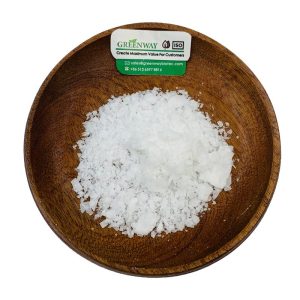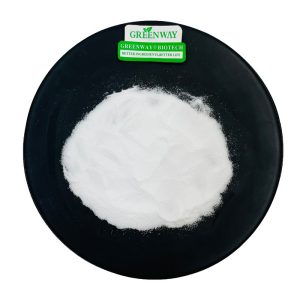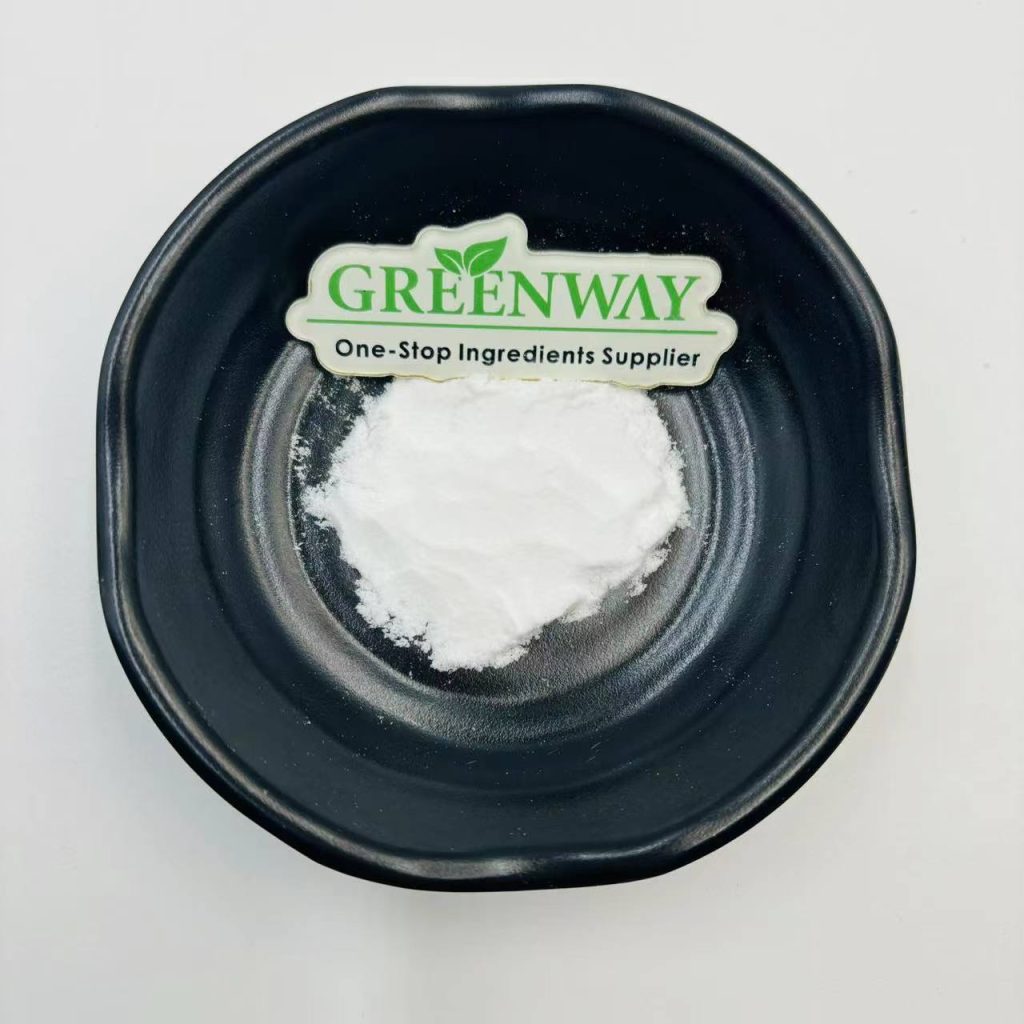
Lactobionic Acid is a hydroxy acid extracted from lactose. It is an off-white to white powder that is soluble in water. It has multiple skin care benefits, including antioxidant, moisturizing, skin repair, exfoliating and antibacterial properties. It can promote cell renewal and help aging keratinocytes shed faster, thereby accelerating metabolism. In addition, it can provide deep moisturizing to the skin and act as a protective barrier for the skin. Baisifu is a professional China Lactobionic Acid supplier and Lactobionic Acid manufacturer. We are committed to providing you with Lactobionic Acid for sale, equipped with a series of high-quality services, including free samples, fast shipping, and technical support. In addition, we also provide comprehensive formula support for Lactobionic Acid, such as COA, TDS, MSDS. We always adhere to the principle of no animal testing to ensure that all products meet high standards of quality and ethical requirements. You can rest assured to buy Lactobionic Acid at Baisifu, and we will meet your needs with excellent quality and service.
Cas No.:96-82-2
Appearance:White to Off-white powder
Similar Name: /
Solubility:Water soluble,10 g/100 mL
| CAS Number | 2 |
| Appearance | White to Off-white powder |
Lactobionic acid benefits:
- Moisturizing effect, deeply moisturizing the skin;
- Anti-oxidation, accelerating the shedding of aging keratinocytes and accelerating metabolism;
- Skin repair, can penetrate deep into the bottom layer of the skin and promote the production of collagen and elastic fibers.
Lactobionic acid uses :
Applicable to care and repair products such as essence, lotion, cream, etc.
Package:
We at Baisifu support Lactobionic Acid wholesale, with flexible minimum order quantity, you can start with 1kg or 25kg, and the packaging is 1kg/bag; 25kg/Carton.
General Information:
| Cas No.: | 96-82-2 |
| MF: | C12H22O12 |
| MW: | 358.3 |
| EINECS: | 202-538-3 |
| Appearance: | White to Off-white powder |
| Solubility | Water soluble,10 g/100 mL |
| Store | Store in cool dry place away from light, room temperature. |
| Shelf Life | 2 year |
Formulating with Lactobionic Acid: A Guide for Cosmetic Brands

Lactobionic acid is getting more and more attention in the cosmetics industry as demand for exfoliants is increasing. It works well and doesn’t irritate the skin. As a polyhydroxy acid (PHA), it plays an important role in the acid exfoliant category. It has different formulation effects, trade-offs, and use-case fit that procurement and R&D teams need to carefully consider before specifying.
PHA vs. AHA vs. BHA: Category Differences That Affect Formulation Decisions

| Exfoliant Class | Example Ingredient | Key Physicochemical Property | Skin Interaction / Penetration | Primary Functional Benefit | Key Trade-off | Best Application Context |
| AHA (Alpha Hydroxy Acid) | Glycolic Acid | Small molecular size (~76 g/mol) | Rapid epidermal penetration | Strong surface exfoliation | Higher irritation risk | Normal to tolerant skin |
| BHA (Beta Hydroxy Acid) | Salicylic Acid | Lipophilic structure | Follicular penetration | Keep the pores and sebum in check. | Dryness potential | Oily, acne-prone skin |
| PHA (Polyhydroxy Acid) | Lactobionic Acid | Large molecular size (~358.3 g/mol) | Slow penetration of the skin barrier layer (stratum corneum) | Gentle exfoliation | Slower visible response | Skin that is sensitive or damaged. |
Lactobionic Acid Specifications

| Parameter | Specification |
| INCI Name | Lactobionic Acid |
| CAS No. | 96-82-2 |
| Molecular Formula | C₁₂H₂₂O₁₂ |
| Molecular Weight | 358.30 g/mol |
| pKa | Approximately 3.6–3.8 |
| Appearance | White to off-white crystalline powder |
| Solubility | Freely soluble in water |
| Working pH Range | 3.5–5.5 |
| Recommended Usage Rate | 1–10% (category and rinse-off/leave-on dependent) |
| Phase of Addition | Water phase or cool-down phase |
| Processing Temperature | Below 45°C |
| Stability Range | Stable within the recommended pH range |
| Shelf Life | Typically 24 months (unopened, sealed packaging) |
| Storage Conditions | Cool, dry, sealed container; protect from moisture |
| Regulatory Listings | EINECS listed; referenced in EU COSING database |
| Certifications | GMP, ISO 9001, Vegan, Cruelty-Free* |
Certification scope and granting body are different for each supplier. Check the paperwork before using the sticker. Use rates are only estimates; make sure they work at the right amount and pH by testing for stability and safety.
Key Features of Lactobionic Acid

Lactobionic Acid, a cosmetic ingredient, can be utilized to create next-generation skin care products. It comes to many uses, such as retention of moisture in the skin, stability of products, and increased flexibility for the formulators; here are the parameters to consider.
· Multi-Hydroxyl Structure for Superior Water Binding
Lactobionic Acid contains numerous hydroxyl groups in its structure that enable it to form strong hydrogen bonds with water molecules. This enables it to function better as a humectant that can keep long-lasting moisture in the stratum corneum. In practical terms, it maintains the wetness of skin without just regular moisturizers, which makes it useful in Lactobionic Acid moisturizer and barrier-repair systems.
· Water Soluble and pH Flexible for Easy Processing
Lactobionic Acid is water soluble and easily integrates into water-based phases, making manufacture easier. Its operating window makes it easy to modify the pH of the system without compromising performance, particularly in cosmetic formulation systems having an acidic pH. It is flexible and can be applied to emulsions, serums, and toners, which must be stable and effective.
· Natural-Origin, Vegan and Cruelty-Free
The oxidation pathways of lactose produce Lactobionic Acid, an ingredient that is today compliant with clean label requirements. It enables brands to position themselves within vegan and ethical skincare lines, as well as providing the clear source of ingredients desired by the consumer. This is especially true of brands that are targeting sensitive skin segments and post-procedure recovery products.
· Built-In Chelation That Protects Your Formula
It is moderately chelating, and this helps to bind metal ions, which could otherwise hasten the oxidation in facial systems. This ensures the stability of the mixture, particularly in high antioxidant/botanical systems. It could be possible for some formulations to use fewer chelators because it is an active ingredient and is used as a stabilizer. This would help to run advanced skincare development projects more efficiently.
Benefits of Lactobionic Acid for Your Product Line

Lactobionic Acid is a cosmetic ingredient that can help formulators make high-performance skin care lines stand out. It has measured benefits for hydration, renewal, and barrier protection; here is what you need to consider in your product development strategy.
· Hydration That Outperforms Glycerin and Sorbitol
Due to its polyhydroxyl structure, lactobionic acid has a strong ability to bind water, which helps it effectively keep water in the stratum corneum. In contrast to common humectants like glycerin or sorbitol, it moisturizes, conditions, and strengthens the skin’s barrier. This makes it a strategic choice for Lactobionic Acid skin care systems where long-lasting moisturization and sensory performance are critical.
· Gentle Exfoliation Across All Skin Types
As a Polyhydroxy acid (PHA), Lactobionic Acid delivers controlled keratolytic activity without compromising skin tolerance. Its larger molecular size ensures slower penetration, reducing the irritation risk commonly associated with AHAs. This supports positioning in formulations for sensitive, reactive, or compromised skin conditions.
· Antioxidant Defense Against Photoaging
Lactobionic Acid is an antioxidant that helps get rid of free radicals that are made by UV light and environmental stress. This supports the anti-aging stance and improves the formulation value of daily-use skin care products made for people who live in cities with a lot of pollution.
· Collagen Stimulation Without Irritation Risk
Lactobionic Acid helps the skin’s renewal processes without causing inflammation by encouraging managed cell turnover. This means it can be used in anti-aging products where skin comfort and effectiveness must be matched.
· Skin Barrier Support for Post-Procedure Products
Lactobionic Acid helps the barrier heal better by organizing lipids and lowering water loss through the epidermis. This makes it very useful in skincare and healing products for after surgery. It works better in healing uses because it works with Lactobionic Acid hyaluronic acid systems.
Formulation Tips Every Manufacturer Should Know

Lactobionic Acid is a formulation ingredient that needs to be mixed in a certain way so that it always works well, stays stable, and is safe for people to use. Here are the rules you need to follow when you are developing new products with this ingredient.
· Getting the pH Right: Ranges That Deliver Results
Between pH 3.5 and pH 5.5, lactobionic acid works. Outside of this range, higher pH levels make exfoliation less effective, and lower pH levels make discomfort more likely. It is very important to keep the pH under tight control during production and stability tests, especially for leave-on systems.
· Processing Conditions
Addition should occur in the water phase or cool-down stage at temperatures below 45°C. Exceeding this threshold risks structural degradation and batch-to-batch solubility inconsistency. Full dissolution before emulsification ensures uniform distribution.
· Ingredient Pairings That Maximize Performance
Lactobionic acid is compatible with hyaluronic acid, niacinamide, and peptides. It is not compatible with strong oxidizing agents or highly alkaline systems. Preservative selection should account for its mildly chelating nature, which can interact with certain metal-dependent preservative systems — requiring case-specific stability testing.
· Stability and Preservation Protocols
Lactobionic Acid may help keep formulations stable by lowering metal ion-driven oxidation because it has a slight chelating effect. But proper preservation methods are still needed, especially for emulsions that are high in water. To make sure that something will work for a long time, it needs to be tested for stability in different temperatures and light conditions. When choosing packaging, containers that don’t absorb water should be given top priority.
· Formulation Constraints Worth Noting
- At concentrations approaching 10%, stickiness and increased viscosity in aqueous systems may affect consumer sensory experience
- Electrolyte-sensitive formulation systems may require adjustment
- Cost per gram is higher than AHAs; this affects cost-of-goods where AHAs deliver comparable exfoliation performance
- Exfoliation is slower than glycolic acid at equivalent use levels — relevant for efficacy claim timelines
Recommended Usage Rates by Category

| Product Category | Suggested Range |
| Daily moisturizers, primers, BB creams | 1–3% |
| Toners, serums, eye creams | 2–5% |
| Leave-on exfoliating treatments | 3–8% |
| Rinse-off peels and scalp treatments | 5–10% |
Ranges are indicative. Final levels should be confirmed by stability and consumer safety testing as required by regional regulations.
Uses of Lactobionic Acid Across Product Categories

· Skincare — Serums, Toners, and Leave-On Systems
Lactobionic acid is keratolytic and moisturizing, and it is effective when used with leave-on techniques to rejuvenate the skin surface. Great for skin care products for sensitive, post-surgical, or older skin.
Post-Procedure Recovery Products
It’s low on skincare irritation, so it’s an ideal active for aftercare products when sensitive skin demands gentle actives. In combination with hyaluronic acid, it is effective in preventing trans epidermal water loss.
· Hair Care
Lactobionic acid may be used in exfoliation systems for the scalp, as it helps to remove excess keratinous material without compromising the barrier function.
· Color Cosmetics and Hybrid Formulas
It is used in low concentrations (1-3%) to help hydrate and smooth the surface of the skin in primers and hybrid skin care-makeup products without altering the color stability of most products. It is necessary to test for compatibility with certain color packages.
· Regulatory Overview
The EU COSING database lists lactobionic acid, and it is registered with EINECS. In most legal markets, it is used as an ingredient in cosmetics rather than an active drug substance. This sets the framework for what claims can be made:
- EU (Regulation EC No. 1223/2009): Only claims that can be substantiated and are not misleading are acceptable. The Common Criteria for claim substantiation are fulfilled with documented in vivo evidence when claiming collagen stimulation. The claims of surface exfoliation and humectancy are more easily backed up.
- US FDA: The cosmetic group is used for everyday skin care. To become an over-the-counter (OTC) drug, the active ingredients would have to be listed in the relevant papers, which doesn’t usually apply to PHA exfoliants.
- ASEAN / China NMPA: Before entering the market, regional profile verification is needed. Different places have different rules about how to register ingredients and what kinds of claims are allowed.
As required by the rules, data on sensitization risk classification and irritation potential should be looked at as part of the product safety assessment. This can be done by looking at supplier dossiers if the data is provided.
What to Check When Sourcing Lactobionic Acid

· Certificate of Analysis Requirements
- Check for purity
- The amount of moisture
- Metals that are heavy (Pb, As, Cd, Hg)
- Limits on microbes
- The range of particle sizes
· Regulatory Compliance and Certifications to Verify
- The full MSDS and TDS
- Confirmation of INCI registration
- The scope of ISO 9001 and GMP certification (check that the certified production site is listed, not just the distributor)
- The group that gives the cruelty-free and vegan approval and the date of the audit
- A statement that the product is non-GMO if the claims are relevant to the target market
- COA records from batch to batch to check for consistency
The use of a ‘cruelty-free’ and ‘vegan’ label needs to be addressed before the label is used in supplier materials: clarify the body of the certification, the scope of the certification, and whether it is renewed or not.
Bulk purchasing and supplier documentation support

Baisifu is a manufacturer and supplier of bulk Lactobionic acid for use in skincare, cosmetics, and hair care products production. A Certificate of Analysis, Safety Data Sheet, and Technical Data Sheet accompany each shipment.
Baisifu is ISO 9001 and 14001 certified for Quality Management and Environmental Management. Each batch has a complete quality audit trail.
Minimum order quantity is 1 kg, which enables the trial of formulations on a small scale before going into a large production order. Wholesale price with no intermediate mark-up will be available for bulk orders within 1–3 business days.
Formulators can reach out to Baisifu‘s technical support directly for a quote to get started sourcing.
FAQs

What is the recommended usage rate for lactobionic acid in cosmetic formulations?
It can be used anywhere from 1% to 10%, depending on the type of product and whether it is rinse-off or left on. Most leave-on products for daily use stay between 1% and 5%, but treatments that exfoliate specific areas may use higher amounts. Before finalization, stability and safety tests must be done at the desired amount and pH.
How does lactobionic acid differ from glycolic acid?
Glycolic acid is a small AHA molecule (76 g/mol) that goes deep into the skin and exfoliates more quickly and harshly. Lactobionic acid is a bigger PHA (358.3 g/mol) that goes deeper more slowly, lowering the risk of soreness while also acting as a humectant. If you want to see results quickly, glycolic acid works better. If you have sensitive skin and need something that will work with it, lactobionic acid is best.
Is lactobionic acid vegan and cruelty-free?
Most industrial grades are made by oxidizing lactose and are advertised as vegan and animal-friendly. Check with your individual supplier about the scope of the certification and the body that issued it. Claims on generic labels need to be backed up by proof from a third party.
Can lactobionic acid be combined with niacinamide?
Yes, the combination is compatible when pH is controlled within the functional range of both ingredients. Niacinamide helps with ceramide synthesis and sebum control, and lactobionic acid exfoliates and moisturizes. Together, they are used to brighten skin and support skin barriers.
What is the difference between cosmetic-grade and pharmaceutical-grade lactobionic acid?
The cosmetic grade is determined by how safe it is for the skin, how well it works in formulations, and how stable it is in finished cosmetics. Pharmaceutical grade needs higher levels of purity, tests for endotoxins, and proof that it meets the standards set by drug regulators. Pharmaceutical grade isn’t needed or usually worth the extra cost for everyday makeup uses.
Are there formulation systems where lactobionic acid is not a good fit?
Yes. High-alkaline systems, strong oxidizer-containing formulas, and formulations where rapid visible exfoliation is the primary efficacy claim are not well-suited to lactobionic acid. Cost-sensitive applications where exfoliation is the sole function may also favor AHAs on cost-of-goods grounds.
Categories:
Cosmetic IngredientsQuick Inquiry
Interested in this product? Send us a message for pricing and samples.
Contact Info
Email:
danny@baisfu.com
kenny@baisfu.com
Phone:
+86-29-81110978
Mobile:
+86-13072980070 (Danny)
+86-13519147002 (Kenny)