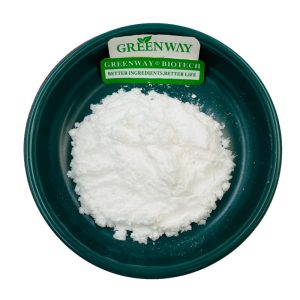
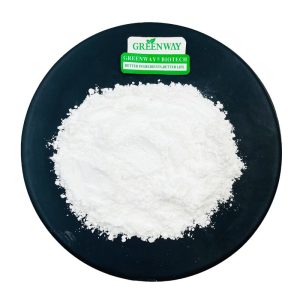
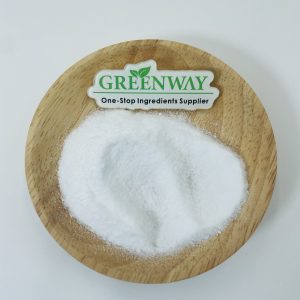
Polyglutamic acid, also known as sodium polyglutamate, is a naturally occurring polymer. This substance is a sticky anionic amino acid polymer. It was originally discovered in food called “natto” and has a variant known as y-PGA. It is composed of glutamic acid units linked by amide bonds.
Baisifu offers polyglutamic acid produced by biological fermentation that is widely used in the cosmetic industry due to its exceptional moisturizing and hydrating properties. This powerful hydrator commonly comes in packaging such as 1kg/bag,10kg per carton, 25kg/drum, or according to your needs.
CAS Number: 28829-38-1/25513-46-6
Appearance: Powder – white or clear ,Liquid – viscous
Other Name:Natto Gum; PGA;γ-PGA;γ-Polyglutamic Acid; Gamma-Polyglutamic acid
| CAS Number | 2 |
| Appearance | : Powder – white or clear ,Liquid – viscous |
What are the Benefits of Using Sodium Polyglutamate?
- Excellent Moisturizing Effect:Sodium polyglutamate is highly soluble in water and can hold up to 4000x weight. Thus, allowing it to attract and lock moisture, ensuring softer skin.
- Hydrating Factors:With the help of our polyglutamic acid, it can produce enzymes that will protect the skin’s natural hyaluronic acid.
- Prevents Wrinkles and Fine Lines:Our PGA has up to 2000kDa molecular weight, allowing them to have a superior moisturizing effect. Thus, slowing the production of wrinkles, fine lines, and other signs of aging.
- Suitable for Different Skin Types:Baisifu produces poly glutamic acids that are perfect for all types of skin, especially dry skin.
Key Features
- Better skin feeling
- Smoothness
- Silkiness
- External aggression protection
- Inflammatory and allergy soothing
Common PGA Applications
- Skincare. Our sodium polyglutamate can provide moisture-retaining properties, making them an ideal ingredient for skincare products such as moisturizers, masks, serums, and more.
- Haircare. These substances can help in maintaining hair moisture and reduce frizz when added to haircare products such as hair treatments, shampoos, and more.
- Cosmetic. Whether you are in the cosmetic industry, you can source PGA from us. Our PGA is best for foundations, concealers, and more cosmetic products.
Recommended Dosage
The recommended dosage of polyglutamic acid for each application is not exceeding the range of 0.05-1%.
Storage/Shelf Life
The unopened Polyglutamic Acid /Sodium polyglutamate should be stored in cool and dry conditions away from direct sunlight. It can last up to 24months/2 years.
Specification:
| Grade | Molecular Weight Range | Function |
| Polyglutamic Acid (HMW) | >1000 kDa | Long-lasting hydration |
| Polyglutamic Acid (LMW) | 70-150 kDa | Moisturizing and whitening |
Polyglutamic Acid: The New Best-Performing Hydrator for Your Skincare Routine
For skin care hydration, peptides are new, yet they seem to perform better than most previously existing moisturizers. One such peptide with many accolades for better-moisturized skin is polyglutamic acid.
But does polyglutamic acid do as much as many skin experts praise it to?
Well, you’ll find out as read on.
Understanding What Polyglutamic Acid Is for Skincare

Polyglutamic acid or PGA, is a chain of peptide proteins that occur in nature. It’s made up of blocks of glutamic acid (an amino acid), and it has a remarkable hydration strength.
People who have used polyglutamic acid in their skincare routine claim it possesses great moisturizing benefits that surpass even the well-known hyaluronic acid.
Polyglutamic acid will attract at least a half of 10,000 times its weight of molecules of water. This ability makes it one of the best and most effective hydrating agents out there.
Polyglutamic acid is also versatile as it hydrates without causing any harshness. It works with all skin types, so it’s suitable for dry, normal, oily, and even sensitive skin.
Although it’s quite effective, polyglutamic acid is complex. It’s also difficult to source in an appreciable quantity.
How Does Polyglutamic Acid Work?

Although it’s agreed to be a great moisturizing ingredient, polyglutamic acid carries out its moisturizing effect in many ways. The major ways PGA does this include:
-
Hydrophilic Attraction
Polyglutamic acid has polar ends that consist of negatively charged carboxyl groups. These polar groups interact with and attract water molecules. Polyglutamic acid also binds and holds water molecules from the environment and from the deeper layers of your skin for your skin surface to stay moisturized.
-
Film Formation
Using polyglutamic acid topically covers your skin with a thin coat-like film. This film, although it’s thin, locks in moisture to give your skin a smoother look. It also reduces the rate of trans-epidermal water loss from your skin’s surface.
-
Inhibition of Hyaluronidase
Research carried out on polyglutamic acid shows that polyglutamic acid works by inhibiting the enzyme hyaluronidase. Hyaluronidase is the enzyme that breaks down a major naturally occurring moisturizer, hyaluronic acid.
As polyglutamic acid inhibits this enzyme, natural hyaluronic acid can work better. And because hyaluronic acid thrives better, your skin retains moisture better than it ever did.
And, remember, the better your skin retains moisture and stays hydrated, the more supple and healthier it’ll look.
Benefits of Polyglutamic Acid

Polyglutamic acid benefits your skin in so many ways. The top benefits of polyglutamic acid include:
-
Deep hydration
The primary reason why polyglutamic acid is used in skincare is for its excellent hydrating properties. When you have polyglutamic acid on your skin, it draws and locks in the moisture on the surface of your skin.
As it locks in the moisture, PGA leaves your skin hydrated and plump for a long time.
To also improve the hydration of your skin, polyglutamic acid increases the amount of natural moisturizers that your body makes. The natural moisturizers that your body produces more when you use PGA include pyrrolidone, urocanic acid, carboxylic acid, and also hyaluronic acid.
The pros of hyaluronic acid for your skin consequent to the use of PGA are numerous. Together with other moisturizing ingredients, your skin remains hydrated and locks in moisture.
-
Counters and Slows Down Aging
Polyglutamic acid, in a way, can make you age in reverse. As it keeps your skin hydrated and firm, it reduces the appearance of wrinkles and fine lines which are part of the normal sequence of aging.
Aside from boosting the production of natural hydrating ingredients, PGA also boosts the production of collagen and elastin which makes your skin more firm and supple.
This improvement doesn’t happen with dry skin, as the dryer your skin is, the more you’ll notice fine lines and wrinkles.
-
Supports Your Skin Barrier
Polyglutamic acid makes your skin more firm and your pores tighter, giving it more strength.
With tighter pores and a skin that’s more firm, you’d have a skin that’s more resistant to environmental damage and toxicants that’d easily pass through large skin pores. Also, you’ll lose water at a lesser rate.
-
Enhances Your Skin Texture
Including polyglutamic acid in your skincare routine also leaves your skin smooth, soft, and silky. It straightens roughened patches and improves the texture of your skin by so much.
Polyglutamic Acid Side Effects in Skincare

Polyglutamic acid is one of the safest and most gentle moisturizers for skin use out there. However, a few people may see small irritations. Nevertheless, no distinct individuals are at risk though.
Side effects that are more than minimal can happen due to other skincare ingredients in your formulation of choice. It could also be because you have more sensitive skin or you are simply allergic to polyglutamic acid.
Those who are allergic to polyglutamic acid or those who have hypersensitive skin may experience:
- Swelling
- Hives
- Dryer skin than normal
- Redness
- Itching
- Blisters
- Burning sensation
These symptoms are way more common, but some that are individual-specific could occur.
You need to be careful not to overuse polyglutamic acid too. Although it’s effective for what it claims to do, overuse can cause your skin to peel especially when you don’t use the formulation you have correctly. So, yes, even with an ingredient that’s as gentle as polyglutamic acid, taking caution is necessary.
Comparing Polyglutamic Acid vs. Hyaluronic Acid

Everyone would testify that hyaluronic acid is a magical moisturizing skincare ingredient. Yet, the rise of polyglutamic acid challenges its potency as a hydrating ingredient. If you would ask any expert, polyglutamic acid is the better hydrator for many reasons.
First, a molecule of polyglutamic acid can attract and hold around 5,000 water molecules to itself. This means that PGA is a better hydrating ingredient as hyaluronic acid, which is the more popular ingredient for hydrating your skin, would only hold around 1,000 water molecules its weight.
Polyglutamic acid has a much larger molecular structure than hyaluronic acid. The large structure of PGA allows it to cover the surface of your skin and enhance your skin barrier.
For hyaluronic acid, it’s a bit different. Hyaluronic acid ensures your skin never runs out of natural hydrating ingredients to keep it supple and attractive.
Due to their slight differences, you can use them for different purposes, although in the end, having hydrated skin is the goal. While hyaluronic acid will hydrate down to the dermis, polyglutamic acid only works on the epidermal surface.
But although polyglutamic acid looks to be more effective, it could be scarce to find a skincare formula with enough polyglutamic acid in some regions. Also, PGA is more expensive, so this could be a limitation for some people.
How to Use Polyglutamic Acid in Your Skincare Routine For The Best Results

You can only maximize the full benefits of polyglutamic acid for your skin when you use it the right way. To use PGA correctly:
-
The Right Formula is Key
First, you should get the right formula. Polyglutamic acid comes in many formulations. So you will find it in lotions, essences, serums, and moisturizing creams.
Sometimes, you may find them as oral supplements too. But, if you want the best polyglutamic acid for your skin, you should apply polyglutamic acid products such as serums or moisturizing creams to see better improvements.
The supplements are great, but they won’t show their effects on your skin after only a period of use. If you want visible effects on your skin as soon as it’s possible, you should target formulations that your skin can absorb with ease.
-
Keep Up the Normal Skincare Routine
Start with the first steps in your skincare routine. Only apply polyglutamic acid products to your skin after you cleanse and use a toner. Polyglutamic acid locks in, so you would want to avoid sealing dirt or other microbes alongside water molecules.
-
A Little is Okay
Use only a few drops or a small amount of polyglutamic acid at a time and gently massage what you have into your skin. With polyglutamic acid, overuse can happen, so you can never be too careful.
-
Follow-up With a Sunscreen
You should still follow up with a good moisturizer and sunscreen to hydrate your skin better and limit your skin’s damage by the sun.
Helpful Tips for Using Polyglutamic Acid Effectively

- Always do a patch test on a small portion of your skin. Doing this test will help you know if your skin is compatible with polyglutamic acid or not.
- Look out for products that combine polyglutamic acid with other active skincare ingredients like hyaluronic acid and vitamin C. Your skin will fare way better, and it’ll thank you for it.
- Don’t assume a product contains polyglutamic acid because of some claims. Intentionally choose products that are labeled as containing polyglutamic acid. As much as you can, go for trusted brands too.
- Reviews should be your friend. Make sure that you always read the reviews on a product and check the ingredient list before you buy it.
- If you have a skin concern or super sensitive skin, you should consult a dermatologist for recommendations about how you can use polyglutamic acid.
Final Thoughts

Polyglutamic acid and generally peptides can provide long-lasting hydration and improve the texture of your skin more than you imagine that it would. It works for all skin types too, so you should give it a try.
FAQs
Is Polyglutamic Acid Safe for Me During Pregnancy?
Yes, polyglutamic acid is natural, and it’s safe for anyone, including pregnant women to use.
Nevertheless, if you have a special concern, you should check in with your dermatologist before you use polyglutamic acid.
How Often Should I Use Polyglutamic Acid?
You can apply polyglutamic acid in the morning and evening every day. Polyglutamic acid doesn’t react with the sun, so as long as you pair it with a good sunscreen, you can use it during the day.
What Polyglutamic Acid Formulation is best for me?
Knowing the best polyglutamic acid formulations to go with depends on the skincare concern that you have.
Also, if you want only the external effects of its hydrating properties, you should stick to topical skincare formulas with polyglutamic acid. This can range from serums, lotions, and moisturizers. But if you want hydration from the inside out, you can go with the supplements.
Although it might take a while, the benefits of polyglutamic acid supplements will manifest on your skin soon enough, and better too.
Categories:
Nutrition SupplementQuick Inquiry
Interested in this product? Send us a message for pricing and samples.
Contact Info
Email:
danny@baisfu.com
kenny@baisfu.com
Phone:
+86-29-81110978
Mobile:
+86-13072980070 (Danny)
+86-13519147002 (Kenny)