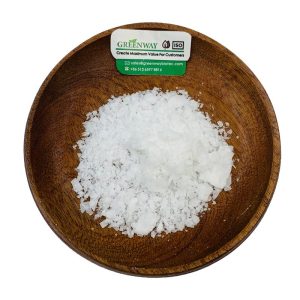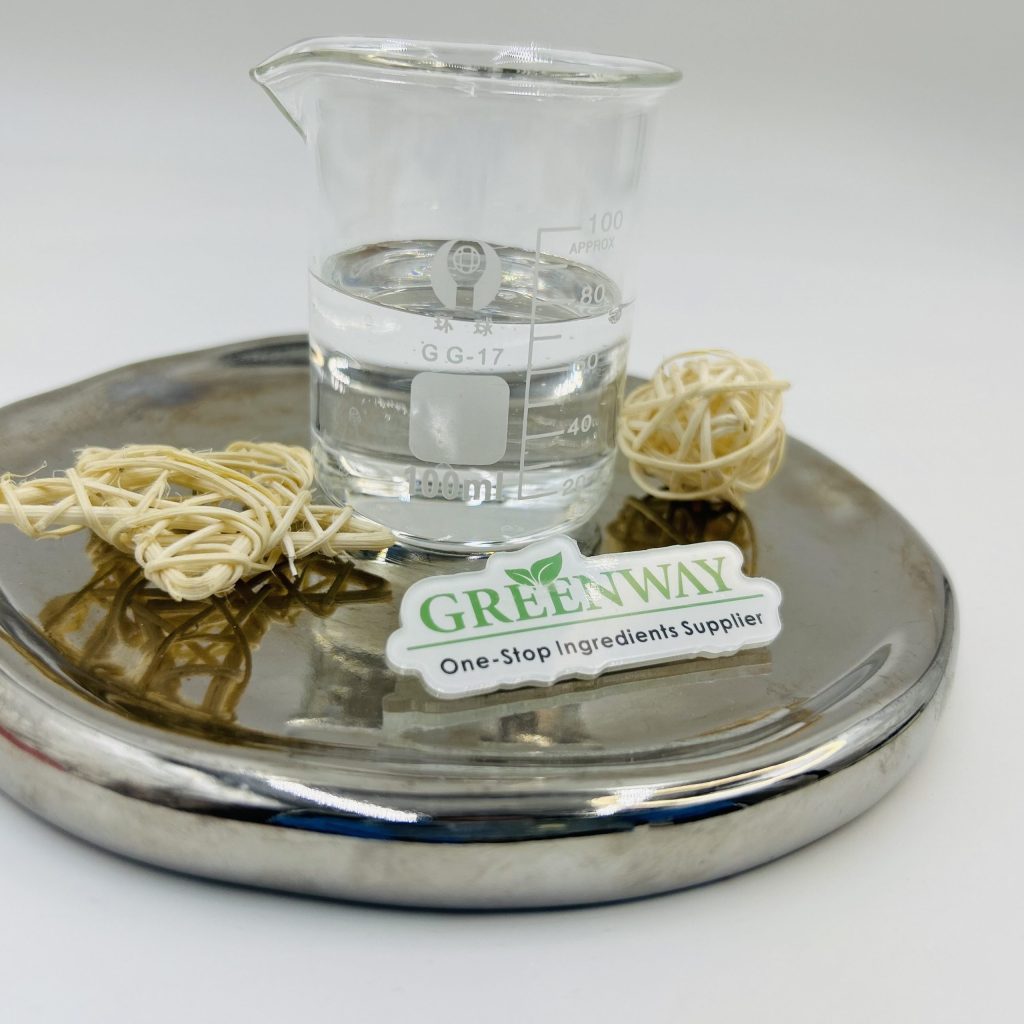
Laurocapram is a chemical penetration enhancer that, when applied to the skin, can enhance the skin’s absorbency and change the skin’s metabolic activity. Laurocapram azone has good penetration ability, the product is stable. laurocapram safety Non-irritating.It is used in skin creams and sunscreens. Our company Baisifu is a professional Laurocapram manufacturer and Laurocapram supplier. We have free samples, our products are of high purity and stability, ensuring good results every time you use them. We have COA, MSDS, TDS and formula support for Laurocapram and our company has ISO 9001 & ISO 14001 certifications. All our products are non-animal tested.
Cas No.:59227-89-3
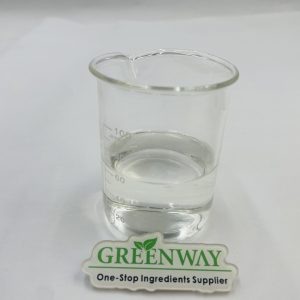
Appearance: Colourless Oil
Similar Name: Azone
Solubility:Insoluble in water Chloroform (slightly soluble), ethanol (slightly soluble), methanol (slightly soluble)
| CAS Number | 2 |
| Appearance | Colourless Oil |
Package:
We provide wholesale Laurocapram with flexible MOQ.
1kg/bottle; 25kg/Drum
General Information:
| Cas No.: | 59227-89-3 |
| MF: | C18H35NO |
| MW: | 281.48 |
| EINECS: | 261-668-9 |
| Appearance: | Colourless Oil |
| Solubility | Insoluble in water Chloroform (slightly soluble), ethanol (slightly soluble), methanol (slightly soluble) |
| Store | Store in cool dry place away from light, room temperature. |
| Shelf Life | 2 year |
Laurocapram Explained: Penetration Enhancer Guide

What Is Laurocapram?
Laurocapram (C18H35NO and CAS number 59227-89-3) is a synthetic chemical that is designed to improve the penetration of makeup and personal care products. It works by changing the fatty structure of the stratum corneum in a way that can be altered.
This helps your active ingredients get to the skin directly. For formulators, that single function separates a product that performs at the skin level from one that simply does not.
How Laurocapram Works on the Skin

Laurocapram’s mechanism is accurate, can be used again and again, and is directly linked to how well your product does in the market. Here is what you need to know.
· Breaking Down the Skin’s Barrier Layer
The stratum corneum is the biggest problem for your recipe. Its lipid-rich structure actively limits how much of any active ingredient can get into skin tissue that can grow.
Laurocapram gets into those lipid bilayers and rapidly makes the membranes more fluid while lowering the resistance of the stratum corneum to permeability. This disruption is reversible and creates no permanent structural damage to the skin.
· Why This Matters for Your Active Ingredients
Most topical formulations underperform not because the actives are weak, but because they never penetrate past the surface barrier. Key ingredients like retinol and depigmenting agents stay mostly in the stratum corneum without Laurocapram.
When you mix your actives with this enhancer, they are more bioavailable in the target region. That directly improves how well your product works and how well you say it works.
Features and Benefits of Laurocapram

Laurocapram adds more to your recipe than just better penetration. We will explain why it’s a good choice for business use.
· Formulation Versatility Across Product Types
It is possible for laurocapram to dissolve in both polar and non-polar conditions. It doesn’t break down when used with water-based, oil-based, or liquid forms.
It can be used in gels, serums, creams, and transdermal patches without having to change the way your base is made. You won’t find that cross-platform flexibility in a single useful ingredient very often. It saves your team a lot of time while they’re creating.
· Cost Efficiency at Low Use Levels
In most finished products, laurocapram works best at ratios of 0.1% to 1%. In other words, your active load stays low, and your performance output stays high.
When manufacturers are trying to keep costs down, one bulk order goes a long way across multiple production runs. That ratio immediately lowers your cost per unit without lowering the quality.
· Long-Term Stability in Finished Products
The chemical stability of laurocapram stays the same across a wide pH range, and it works the same way at room temperature. It doesn’t break down or react severely with most methods used to keep cosmetics fresh.
Because this ingredient is stable, manufacturers who want their products to last 24 months will have fewer batch rejects and less work to do when they have to remake their products. You get consistent performance from the first production run through the last.
Water-Soluble vs Oil-Soluble Grades: Picking the Right One

Selecting the right Laurocapram grade is the first decision that shapes your formula’s performance baseline. Here is what to know.
| Attribute | Water-soluble (hydrophilic) grade | Oil-soluble (lipophilic) grade |
| Compatible carriers | Propylene glycol, ethanol, water-based gels/toners | Rinse off with esters, triglycerides, or silicone bases. |
| Ideal formulation types | Aqueous emulsions, toners, water-based serums. | Anhydrous balms, oil serums & lipid-rich creams |
| Known limitations | Can cloud in high oil areas | Needs a helping agent to bridge the gap in water-based systems |
| Compatibility check | Recommended to do a small batch trial before scale-up. | Small-scale testing is recommended prior to scale-up |
To ensure compatibility, the small batch compatibility test is recommended prior to scaling any new formulation.
Hair Care Uses of Laurocapram Most Suppliers Don’t Mention

Laurocapram’s scalp applications are consistently underutilized by hair care manufacturers. Here is the competitive edge you are missing.
· Boosting Minoxidil and Scalp Treatment Absorption
The scalp barrier works like the facial skin, but it has more sebum, which makes it even harder for topical products to be absorbed. When you mix 0.5% to 1% Minoxidil with Laurocapram, it works much better at getting through the scalp’s fatty layer. This pairing helps companies that make hair growth products with Minoxidil stand out in the professional world and gives them a way to measure their performance.
· Use in Growth Tonics and Leave-In Serums
Laurocapram works best in leave-on hair serums and growth tonics because it stays in contact with the skin for a longer time, which makes it easier for the body to absorb. Carriers made of ethanol or propylene glycol, which are popular in these formats, work well with the water-soluble grade. Formulators in this group can target peptides, caffeine, and plant actives at the right depth in the tissue without making them work harder.
Cosmetic Formulations Where It Earns Its Cost

Not every formula justifies the cost of a penetration enhancer. These two product categories always do.
· Whitening, Scar, and Brightening Treatments
When you use active ingredients in scar-whitening or brightening products, they will only work as deep as they reach. To show results, ingredients like kojic acid, tranexamic acid, and collagen proteins need to go deeper into the skin. Laurocapram regularly delivers them to the target tissue depth, which is what makes your claims about its effectiveness believable from a business point of view.
· Slimming and Firming Formulas
When it comes to slimming and firming formulas, customers always have higher expectations than what a simple top-level application can offer. Active ingredients like caffeine, L-carnitine, and retinol need to get to subcutaneous tissue in order to tighten or break down fat in a measured way. This is possible at amounts that are safe for cosmetic use with laurocapram. This gives your body care line a functional credibility that most of your competitors can’t match.
Usage Levels and Formulation Compatibility Tips

Getting the concentration right is where most formulation errors with Laurocapram happen. Here is how to avoid them.
· Recommended Concentration Range by Product Type
Laurocapram performs effectively when used at the concentration appropriate for your product format. For leave-on skin care like serums, creams, and gels, 0.1% to 1% is the best range for improvement without the risk of sensitization. Pharmaceutical-grade topicals can have up to 5%, but 0.1% to 1% is a good range for cosmetic use.
· Ingredients That Reduce Its Effectiveness
There is a chance that cationic polymers and quaternary ammonium compounds will link to Laurocapram, making it less available in your formula. Concentrations of ethanol higher than 30% can also interfere with its membrane-disruption route, making it less effective overall. When making complex conditioning or multi-active treatment systems, you should always do a small-batch compatibility check first.
· Pairing With Propylene Glycol or Ethanol
Propylene glycol and ethanol are the two most effective carrier solvents for Laurocapram in water-based formulations. Both enhance its solubility and ensure even distribution across the formula matrix. Pre-dissolve Laurocapram in propylene glycol at a 1:5 to 1:10 ratio, then incorporate into the water phase for clean, stable dispersion.
Laurocapram vs Other Penetration Enhancers

Penetration enhancer selection is a performance decision, not just a formulation habit. Here is the comparison that matters.
· Performance at Comparable Concentrations
Propylene glycol requires concentrations of 10% to 40% to produce meaningful permeation enhancement in most cosmetic systems. Laurocapram achieves stronger, more targeted membrane disruption at concentrations between 0.1% and 1%. That efficiency gap translates directly into a lower total ingredient load, a cleaner formula profile, and better cost-per-unit economics.
· Where It Outperforms Common Alternatives
Oleic acid and terpene-based enhancers can irritate sensitive skin at the amounts needed for effective use, which means they can’t be used in all types of products. The way laurocapram works is through a reversible lipid-fluidization process that doesn’t cause any long-term damage and has a good safety record for causing skin irritation. For manufacturers targeting sensitive skin and anti-aging categories, that profile gives you an enhancer where most alternatives cannot compete.
Safety, Stability, and Regulatory Notes

Before you finalize any formulation, your safety and stability data need to be airtight. Here is what the record shows.
· Toxicity and Skin Irritation Data
The safety profile of laurocapram has been well studied over many years of use in cosmetics and medicines. When used in cosmetics at amounts between 0.1% and 1%, Laurocapram doesn’t cause a lot of skin irritation, and standard patch testing shows that it doesn’t make skin more sensitive either. It doesn’t cause mutations and is safe for the body when used topically. For companies that want to make products for people with sensitive skin, this information gives you a safe stance that you can defend.
· Storage Conditions That Preserve Shelf Life
The conditions for storing laurocapram are simple. Keep it somewhere cool and dry, between 15°C and 25°C, out of direct sunlight and away from water. Laurocapram stays pure for the full shelf life window when it is stored in sealed cases. If you store it correctly, you should be able to get at least 24 months of stability without any speed loss.
Why Purchase a Bulk Order from Baisifu

At Baisifu, we produce and distribute bulk production of Laurocapram skincare, cosmetics, and hair care products worldwide. We offer comprehensive documentation, rapid lead times, and technical support, which your production schedule requires.
We are licensed to use the ISO 9001 and 14001 methods for managing quality and the environment. Your QC team can follow and check the full quality audit trail that each batch goes through.
There is also a Certificate of Analysis, a Safety Data Sheet, and a Technical Data Sheet in every shipment.
You can start trying formulas with production-grade material with a minimum order quantity of 1 kg, so you don’t have to worry about big first orders. We deliver the bulk orders at wholesale manufacturer prices in 1-3 business days – no middlemen, no markups.
Request a quote today, and allow Baisifu’s professionals to handle the rest.
FAQs

Is Laurocapram considered biodegradable or environmentally friendly?
Laurocapram is a synthetic chemical that doesn’t break down easily according to OECD testing guidelines. If formulators want to make eco-certified products, they should check the environmental rules in their area first.
Can a small or new cosmetic brand order Laurocapram in small quantities?
Yes. Baisifu accommodates brands at different production stages. Contact the team directly to discuss Laurocapram MOQ thresholds and whether a Laurocapram sample request is available before committing to a bulk order.
Can Laurocapram be used safely in veterinary or animal care formulations?
Topical uses for animals in veterinary medicine have been studied, but before making a formulation, you should always check it against the dermal tolerance data of your target animal and any regional veterinary laws that apply.
Is there a difference between cosmetic-grade and pharmaceutical-grade Laurocapram?
Yes, the USP grade of laurocapram meets the higher standards for purity that are needed for drug-classified topicals. The cosmetic grade of laurocapram can be used for normal personal care tasks. Always ask for the Laurocapram COA to make sure it is pure for the purpose you want to use it for.
Does Laurocapram react with metal packaging or certain container materials?
At concentrations used in cosmetics, there has been no mention of any significant reaction with standard metal packaging. HDPE and glass are still the best materials for basic containers because they are stable over time.
Categories:
Cosmetic IngredientsQuick Inquiry
Interested in this product? Send us a message for pricing and samples.
Contact Info
Email:
danny@baisfu.com
kenny@baisfu.com
Phone:
+86-29-81110978
Mobile:
+86-13072980070 (Danny)
+86-13519147002 (Kenny)